(Published in the Postimees supplement "Promoting Rural Life", October 2015)
I must admit that I have not always had such a warm attitude towards grasses as I do today. Rather, they seemed to me like grass that had crept into the planting area without permission and behaved like weeds. Wanting to create a truly beautiful lawn was like rocket science, but in the bed, grass plants were able to cause headaches time and again. Over time, however, grasses have become indispensable design elements for me - both in natural-looking designs and as an element of geometric garden design.
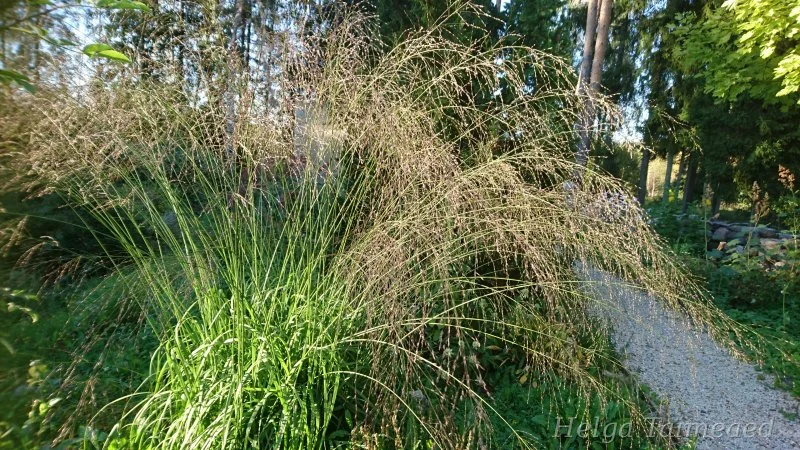
Blue-bellied reed 'Transparent'
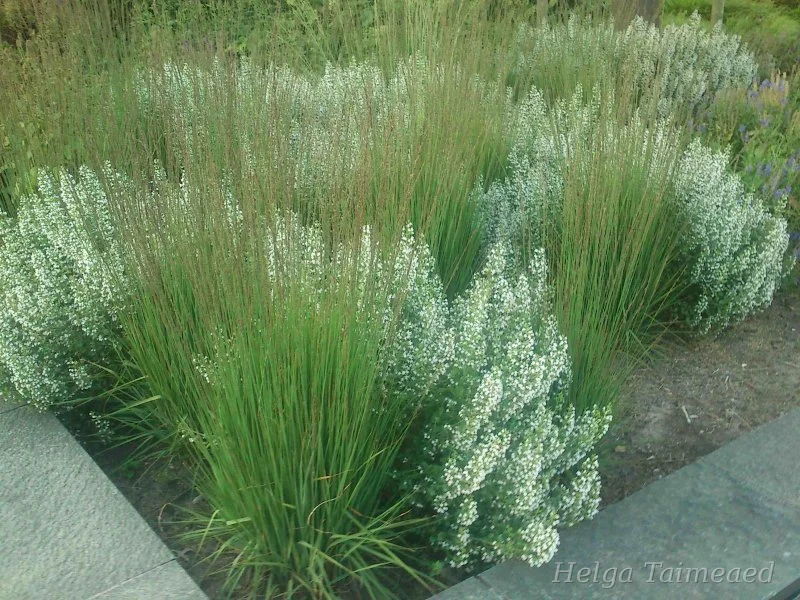
The first to come to stay were the varieties of sharp-flowered boxwood (Calamagrostis x acutiflora) 'Karl Foerster' and 'Overdam'. The former charmed me with its unusual shape of an upright brush. This plant got its name when a well-known German horticulturalist once noticed an unusually shaped plant from the window while riding a train and immediately pulled the emergency brake. The man was fined at the time, but the world is richer for one very nice landscaping plant.
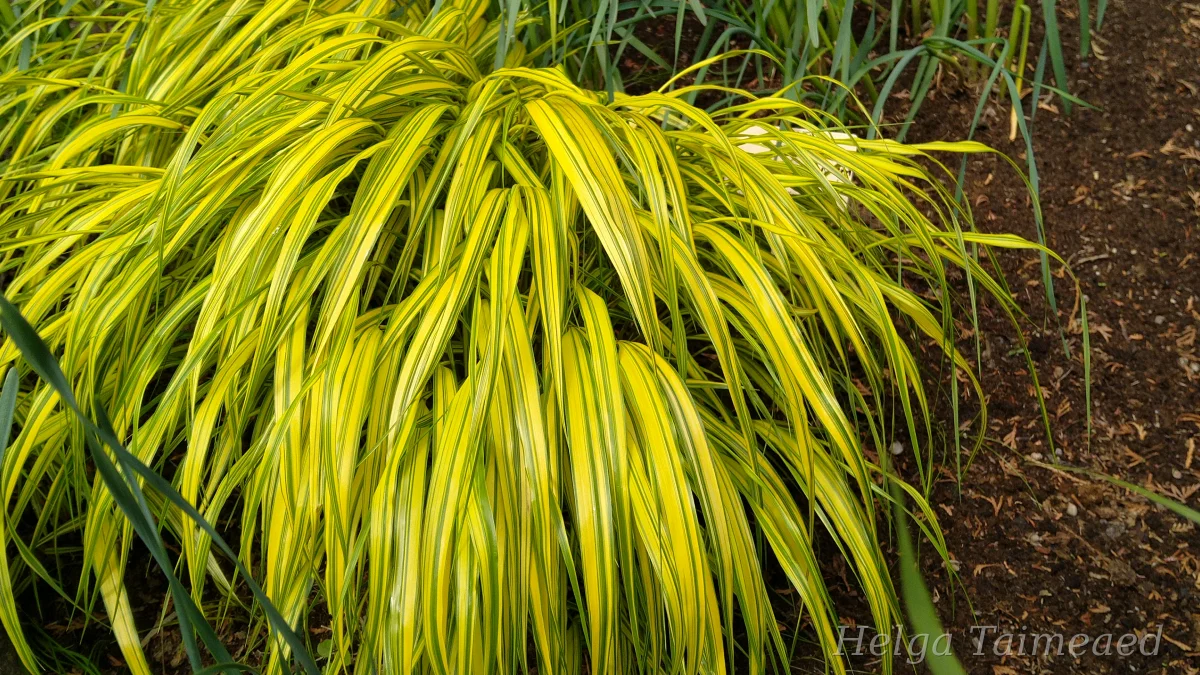
To date, I have experimented with, or so to speak, grown, quite a few species/varieties of grasses. One of my favorites is the musky sedge (Carex muskingumensis) and its many interesting varieties. They look a bit exotic and delicate in this northern climate, but at the same time they are very hardy and frost-resistant. Although most sedges are known for their love of moisture, musky sedge tolerates ordinary garden soil well and even survives periods of drought without any particular damage.
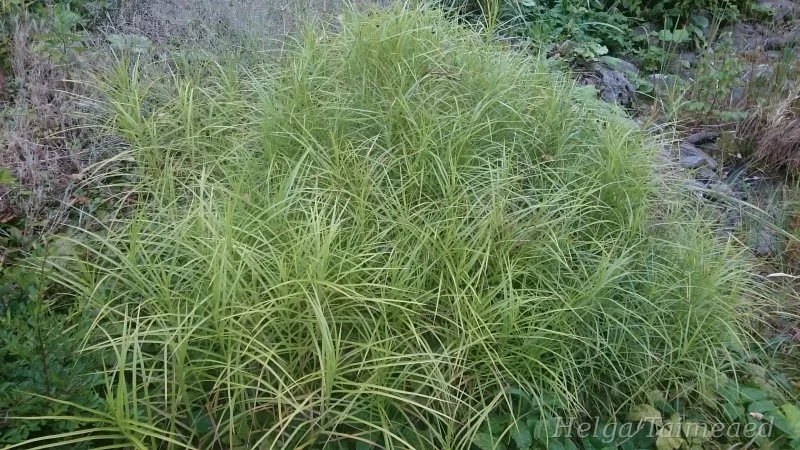
Among the reed and common bluegrass (Molinia arundinacea, M.caerulea) there are varieties with quite different appearances. They are 60-250 cm high. Thanks to their strong stalks, they stay upright even in windy places and will delight the eye for a long time in the winter garden. With its tall, strong stalks and yet airy and fragile flower whorls, the reed and common bluegrass 'Transparent' is difficult to capture in a photo. Its true charm becomes apparent after a couple of years of recovery in its place of growth. The low varieties of common bluegrass 'Variegata' and 'Moorhexe' are a good choice for narrower conditions or, on the contrary, for a single planting.
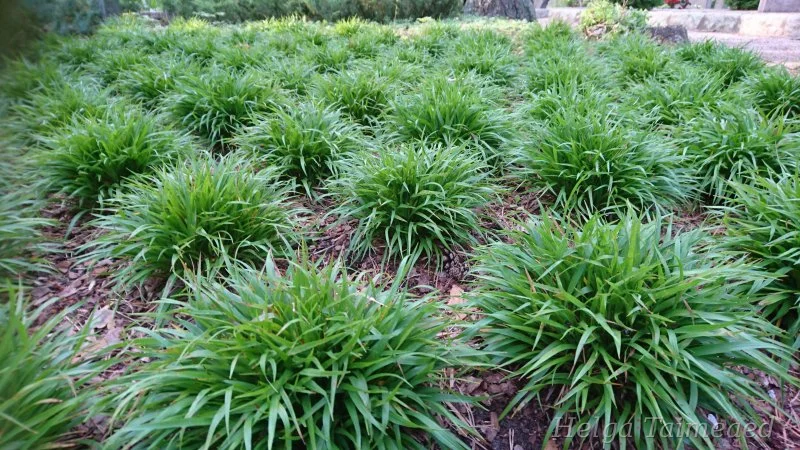
My latest surprises among grasses have been hairy pipegrass (Luzula pilosa) 'Igel'. As a main species, it is quite common in our nature, it does not form mats, but it spreads well with seeds. The semi-evergreen mat of the variety 'Igel' with fairly wide leaf sheaths forms a round hemisphere 15-25 cm high and there are almost no inflorescences. It is planned for its third year, and so far it has overwintered very well as a potted plant, uncovered from sunburn, despite the very poor spring conditions.